Love for All – Retro Pride SVG: A Designer's Review
In the world of digital design assets, it is easy to get swept up in the sheer volume of files available. However, as someone who has spent years stitching designs onto everything from delicate baby onesies to heavy-duty workwear, I know that a file is only as good as its performance under the needle. When I first encountered Love for All – Retro Pride SVG, my initial reaction was one of genuine curiosity. The retro aesthetic immediately signals a specific mood—one of warmth, inclusivity, and nostalgic charm. But does this visual personality translate well into a tangible, stitched product? After running through several test scenarios, I have some practical insights to share about how this design fits into real-world embroidery projects.
The First Stitch: Visual Impression and Mood
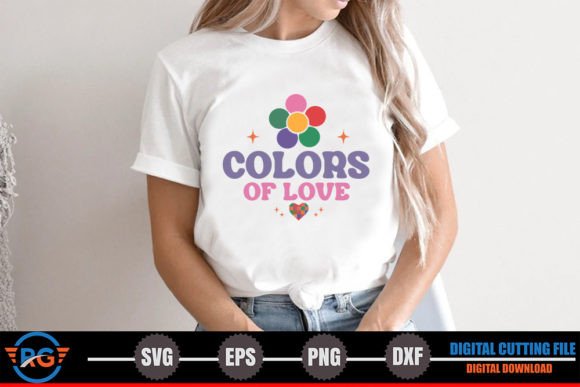
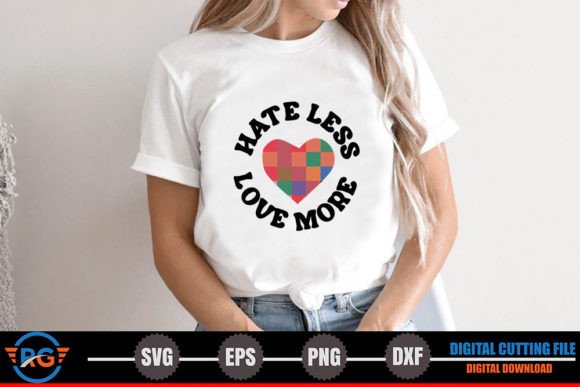
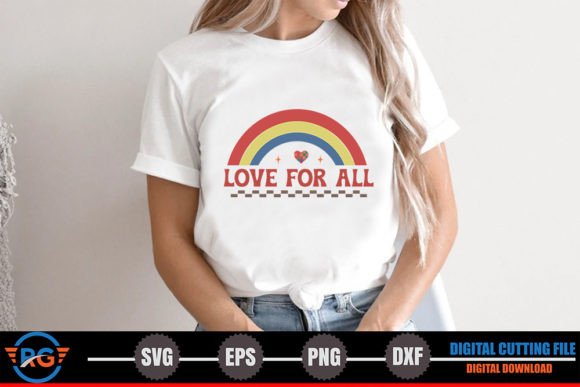
The Love for All – Retro Pride SVG carries a distinct energy right out of the box. The layout suggests a celebration of unity, making it an ideal candidate for community-focused events or personal statements of pride. From a design perspective, the shapes appear clean and bold, which is crucial for embroidery. Unlike vector graphics that rely on crisp pixels, embroidery relies on thread density and stitch direction to create form. This design seems to lean towards a balanced composition that avoids unnecessary clutter, a trait that often separates professional-looking results from amateur attempts.
For those looking to create a handmade product with emotional resonance, this file offers a strong foundation. It feels less like a generic clip art piece and more like a statement ready to be worn or displayed. The "Retro" aspect implies a softer, vintage color palette potential, allowing designers to experiment with muted tones or classic primary colors without losing impact. Whether you are an Etsy seller aiming to capture a specific demographic or a small business owner looking to add a unique touch to your brand merchandise, the visual hook here is significant.
Real-World Application: From Screen to Fabric
Let's imagine a concrete scenario. You are preparing for the upcoming holiday season and want to create a line of custom embroidered tote bags featuring inclusive messaging. You pull up the Love for All – Retro Pride SVG file. The moment you import it into your digitizing software, you notice the separate layers. Having access to SVG, EPS, DXF, and PNG formats is a massive advantage here. It means you aren't locked into a single workflow; you can adjust the scale for a large apron or shrink it down for a cap patch without losing resolution.
When testing this on a canvas tote bag, the design holds up remarkably well. The open areas allow for breathable stitching, preventing the fabric from becoming too stiff—a common issue with dense fill stitches. For a tote bag design, this balance is essential because the item needs to remain functional while looking beautiful. If you were to use this on a sweatshirt, the retro vibe would complement the soft texture of fleece or cotton blends perfectly. The design acts as a focal point, drawing the eye without overwhelming the garment.
I also considered using this for a personalized gift, such as a baby blanket or a nursery pillow cover. In these contexts, the "Love for All" message resonates deeply with parents who value inclusivity. The clean lines ensure that even if the thread count varies slightly due to machine tension, the overall shape remains recognizable. This reliability is what builds trust with customers who purchase custom apparel. They need to know that the finished product will look exactly as promised in the mockup.
Navigating Technical Challenges
While the design is versatile, no single file works perfectly on every surface. There are specific situations where Love for All – Retro Pride SVG requires careful consideration. If you plan to embroider this on a curved surface like a baseball cap, you must account for the distortion that occurs when flattening a 3D object. The text or graphic elements might stretch slightly depending on the hoop placement. It is wise to run a test on scrap fabric first to see how the curves interact with the design geometry.
Textured fabrics present another hurdle. On a heavily textured material, fine details can get lost in the weave. If the design contains tiny lettering or intricate decorative accents, these areas might not stitch clearly on rough denim or thick wool. Similarly, when working with thin or stretchy fabrics, the stabilizer choice becomes critical. Without adequate support, the tension required for satin stitch or fill stitch sections could cause puckering, ruining the neat appearance of the embroidery project.
Dark fabrics require a different approach than light ones. While the file itself is editable, the contrast between the thread and the background is entirely up to the designer. If you choose dark threads on a black shirt, the design may disappear unless you utilize a high-density underlay or a contrasting outline. Conversely, light threads on white fabric might lack definition if the stitch density isn't sufficient. Always review your thread colors against the fabric swatch before committing to a full production run.
Maximizing Value and Professionalism
Using a well-structured design like Love for All – Retro Pride SVG directly impacts the perceived value of your final item. Customers associate neat, consistent stitching with quality craftsmanship. When a finished product looks polished, it justifies a higher price point and encourages repeat business. Furthermore, having a digital embroidery file that is fully editable allows you to adapt the design for various uses, from commercial embroidery projects to small shop products.
For those selling on platforms like Etsy, having a design that is both visually appealing and technically sound is a competitive edge. You can create stunning printable mockups by layering the design over images of tote bags, aprons, or pillows. The versatility of the included formats ensures that your marketing materials look sharp regardless of the platform requirements. Additionally, the ability to change colors easily means you can offer customization options to clients, increasing the appeal of your craft business.
Essential Notes for the Practical Designer
Before you start stitching, there are a few housekeeping steps that every experienced designer takes. First, always inspect the stitch density within your software. Ensure that the fill stitches are not overlapping in a way that creates bulk or prevents the needle from penetrating the fabric. Check the hoop size relative to the design dimensions; a design that is too large for your machine's hoop will result in incomplete stitching.
If you intend to sell items made with this design, confirm the licensing terms explicitly. Some graphics come with restrictions on commercial use, even if the file is editable. Verify whether you can sell the physical goods or if the license limits you to personal projects. Also, consider the durability of the finish. For items that require frequent washing, such as kitchen towels or children's clothing, ensure that the running stitch and satin stitch combinations are secure enough to withstand wear and tear.
Finally, do not skip the black-and-white test. Converting the design to grayscale helps you visualize the density and contrast without the distraction of color. This step reveals hidden issues with spacing or alignment that might not be obvious in full color. By taking these precautions, you ensure that the embroidery file performs as intended, delivering a result that honors the original artistic vision.
In conclusion, Love for All – Retro Pride SVG stands out as a thoughtful addition to any collection of design assets. Its blend of meaningful messaging and practical structure makes it suitable for a wide range of applications, from heartfelt gifts to boutique branding. With proper attention to fabric selection, stabilizer usage, and machine settings, this design can elevate your embroidery project to a professional standard that customers will love.