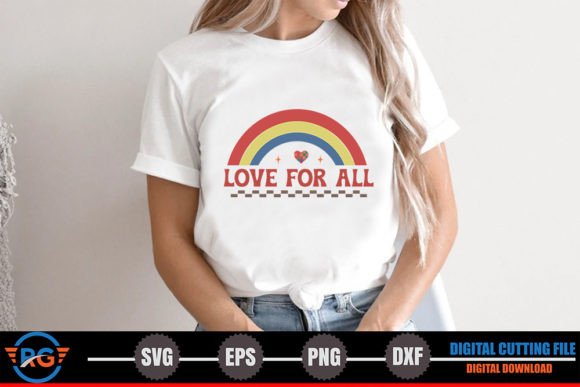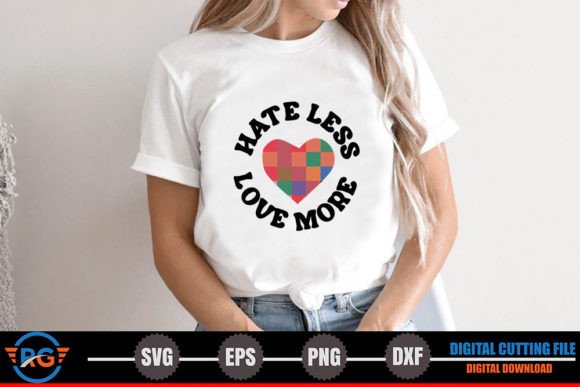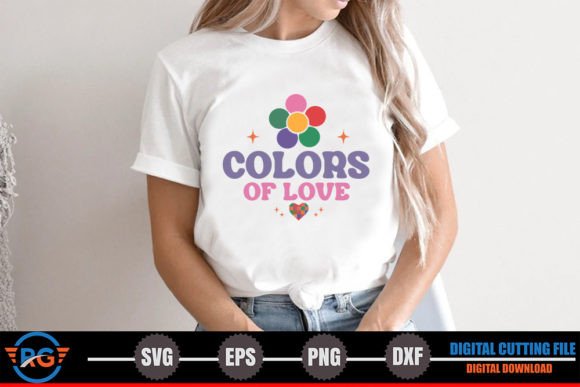
Colors of Love – Retro Pride SVG Review
As someone who has spent years reviewing machine embroidery design assets for both personal hobbies and commercial ventures, I approach every new download with a mix of excitement and skepticism. You never know if a digital file will translate beautifully into thread until it hits the hoop. Today, I am putting the Colors of Love – Retro Pride SVG to the test. This isn't just about how it looks on a screen; it is about how it performs as a finished product on fabric, whether you are an Etsy seller looking to boost your boutique inventory or a crafter making a heartfelt gift.
The First Impression: Mood and Visual Personality
When I first opened the zip containing the Colors of Love – Retro Pride SVG, the immediate feeling was one of warmth and nostalgia. The retro aesthetic instantly sets a specific tone that feels welcoming rather than aggressive. In the world of Graphics and Crafts, capturing a mood is half the battle, and this design succeeds by balancing vibrant energy with a classic layout. The shape suggests a heart or a badge, framed in a style that harkens back to vintage signage, which makes it incredibly versatile for various themes beyond just pride events.
The visual personality is clean but detailed enough to hold interest. It does not rely on tiny, fragile lines that might get lost in stitching. Instead, it uses bold curves and clear forms that promise to look substantial once embroidered. For a designer, this means less time worrying about thread breaks and more time focusing on color matching. The 100% editable nature of the files suggests that the core structure is robust, allowing me to tweak the saturation or scale without losing the integrity of the original art. This is crucial when adapting a design for different products, from a large tote bag to a small baby onesie.
Real-World Application: A Custom Boutique Project
To truly evaluate the Colors of Love – Retro Pride SVG, I imagined a real-life scenario: preparing a custom collection for a local craft fair. My goal was to create a line of handmade aprons and kitchen towels featuring this design as a centerpiece. The target audience included couples celebrating anniversaries, allies supporting community causes, and shop owners needing unique branding elements.
I started by selecting a heavy-duty canvas for the aprons and a soft cotton blend for the tea towels. The retro theme of the embroidery file worked perfectly here because it complements the rustic feel of natural fabrics. When I ran the design through my machine, the transition from the vector file to the stitched output was smooth. The design did not require excessive hooping adjustments, which saved valuable setup time. On the apron, the colors popped against the neutral background, creating a professional finish that immediately elevated the perceived value of the item. Customers browsing the booth stopped to touch the texture, commenting on the clarity of the stitches. It felt like a genuine handmade product rather than a mass-produced sticker.
This same design also found a home on sweatshirts for a holiday gift project. The retro vibe resonated well with the cozy, nostalgic feeling of winter holidays. By adjusting the thread colors to match a festive palette while keeping the retro outline, I created a cohesive look that felt intentional. The ability to change colors easily meant I could offer variations without buying new designs. This flexibility is a game-changer for small business owners who need to keep their inventory fresh without constantly investing in new assets.
Navigating Challenges: Where Caution is Key
While the Colors of Love – Retro Pride SVG is impressive, no single design fits every situation. As an experienced reviewer, I must point out where caution is necessary. If you plan to use this on a curved surface like a baseball cap, the layout requires careful consideration. The retro shape might lose some definition if the curvature is too tight, especially if the design includes intricate corner details that could bunch up during stitching.
Textured fabrics are another area to watch. While the design holds up well on standard woven cottons, highly textured materials like bouclé or thick fleece can obscure the finer lines of the satin stitch. Similarly, thin or stretchy fabrics, such as lightweight jersey, demand a strong stabilizer choice. Without proper support, the tension required for the fill areas might cause the fabric to pucker, ruining the crispness of the retro border. For these applications, testing on scrap fabric is non-negotiable.
Dark fabrics present a unique challenge. The vibrancy of the design relies on contrast. If you place light-colored threads on a dark shirt without a sufficient underlay, the colors may appear muddy. Conversely, using white or light threads on dark fabric might require a higher stitch density to ensure full coverage, which could increase the risk of puckering. Always check the stitch density settings in your digitizing software before running a production batch. If the design calls for dense fills, ensure your machine can handle the needle penetration without breaking threads.
Impact on Branding and Customer Trust
In the competitive landscape of Etsy sellers and online shops, the quality of your embroidery speaks volumes about your brand. A sloppy stitch job can make a customer question the durability of the entire product. The Colors of Love – Retro Pride SVG, when executed correctly, projects professionalism and attention to detail. It signals that you care about the final presentation, which builds trust and encourages repeat purchases.
The design's versatility allows for consistent branding across multiple product types. Whether you are selling a tote bag design, a personalized gift, or a decorative pillow cover, the retro theme ties everything together. This consistency helps in creating a recognizable visual identity for your craft business. Furthermore, the emotional resonance of the "Love" theme makes these items highly giftable, increasing their appeal for customers looking for meaningful presents.
Practical Designer Notes for Success
Before you commit to a large order or a commercial launch, there are several technical steps you should take. First, always test the design on scrap fabric that matches your intended final material. This reveals how the thread colors interact with the fabric weave and whether the hoop size is appropriate for the design dimensions.
Review the stitch density carefully. If the design feels too dense for the fabric weight, consider reducing the density slightly or switching to a lighter stabilizer. Inspect the small details and corners to ensure they are sharp. Sometimes, what looks perfect on a screen can blur slightly in thread form. Testing in black and white mockups can also help you visualize the contrast levels without the distraction of color.
Confirm your licensing terms before selling finished items. While the file offers 100% editability, the rights to resell the physical product depend on the specific license agreement provided with the download. Ensure you understand whether you can sell the finished goods commercially or if there are restrictions on the number of units. Also, verify the file formats—SVG, EPS, DXF, and PNG—are compatible with your specific embroidery software and machine.
Finally, pay attention to the stabilizer. For a design with significant fill areas like the Colors of Love – Retro Pride SVG, a cut-away stabilizer often provides the best long-term stability, especially for items that will be washed frequently. Avoid using tear-away for heavy-use items like aprons or bags, as the stress of washing can cause the stitches to pull over time.
Ultimately, the Colors of Love – Retro Pride SVG is a strong asset for anyone looking to add a touch of retro charm to their embroidery project. With thoughtful execution and attention to fabric choices, it can transform simple materials into high-value finished products that customers love. Whether you are decorating a nursery, updating your boutique inventory, or creating a special keepsake, this design offers the flexibility and aesthetic appeal needed to succeed in today's handmade market.