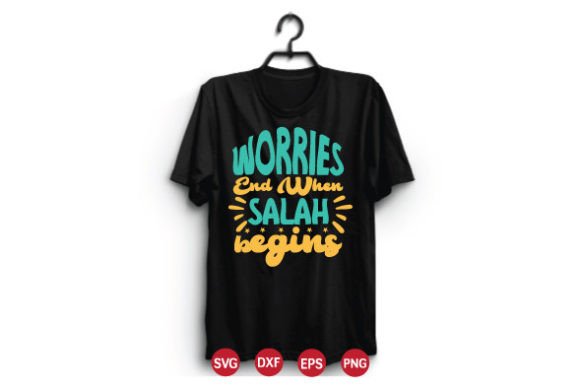
Worries End when Salah Begins Svg Review
As a designer who spends more time behind the embroidery machine than in front of the computer, I approach every new embroidery file with a mix of excitement and skepticism. When I first pulled up the Worries End when Salah Begins Svg, I wasn't just looking at a digital image; I was visualizing how it would look stitched into satin thread on a real garment. This design carries a spiritual weight that needs to be translated perfectly through needle and thread. In this review, I will walk you through my practical assessment of this piece, specifically focusing on its viability for commercial projects, handmade gifts, and small business merchandise.
The First Impression: Mood and Layout
The phrase "Worries End when Salah Begins" is inherently comforting, and the design captures that sentiment immediately. The typography appears clean and legible, which is the most critical factor for any text-based machine embroidery design. Unlike some decorative fonts that become illegible once stitched, this layout prioritizes readability without sacrificing aesthetic appeal. The visual personality feels grounded and serene, making it an ideal candidate for holiday embroidery during Ramadan or for year-round spiritual decor.
When evaluating the file structure provided in the bundle, seeing multiple formats like SVG, EPS, PNG, and JPEG is a relief. It means this digital embroidery file is versatile enough for various workflows. Whether you are feeding it directly into a digitizing program for custom stitching or using the raster files for printable mockups, the quality remains consistent. For a crafts enthusiast or a serious Etsy seller, having these assets ensures you can adapt the design to different product lines without needing to re-draw anything.
Real-World Application: A Tote Bag Scenario
To truly understand how Worries End when Salah Begins Svg performs, let's imagine a specific project. I recently considered using this design for a custom embroidered tote bag intended as a boutique gift set. The goal was to create a high-quality handmade product that customers would use daily, reinforcing the brand message every time they carried their groceries or books.
In this scenario, the placement is key. On a canvas tote, the design allows for a centered chest placement or a larger vertical orientation down the side of the bag. The lettering size needs to be substantial enough to be seen from a distance but not so large that it distorts the fabric weave. During my mental walkthrough of the stitching process, I imagined the contrast between dark thread on a light natural canvas versus white thread on a black cotton blend. The design's simplicity suggests it would handle both colorways well, offering a professional finish that elevates a simple canvas bag into a premium personalized gift.
This same logic applies to other apparel items. Imagine placing this design on a cozy sweatshirt for a mother-to-be or a baby onesie. The soft curves of the letters would stitch beautifully on the gentle curves of a baby item, creating a touching baby embroidery piece that parents would cherish. However, the success of this finished product relies heavily on the stability of the fabric and the precision of the digitization.
Performance on Different Fabrics and Garments
Not all surfaces are created equal, and a good embroidery project requires strategic planning based on the material. For custom apparel like t-shirts and sweatshirts, this design works exceptionally well because the fabric provides a stable base. The stitch density required for the text should hold up against regular wear and washing, ensuring the message remains crisp over time.
However, there are areas where caution is necessary. If you plan to use this on a cap or hat, the curved surface presents a challenge. While the design is likely scalable, the curvature of a baseball cap can stretch out thin lettering, potentially causing gaps in the stitches. For embroidered patches or items like aprons and kitchen towels, the flat surface is much more forgiving. These items often benefit from the slightly denser fill stitches that might be present in the design to give the text a solid, bold appearance.
When working with textured fabrics, such as heavy denim or thick fleece, the design's clarity depends on the underlay and stabilizer choices. Thin fabrics require a cut-away stabilizer to prevent puckering, while stretchy materials need a tear-away or water-soluble backing to maintain the integrity of the stitch density. Without proper stabilization, even a well-designed file like this could end up looking warped or distorted after removal from the hoop.
Visual Appeal and Customer Trust
In the world of commercial embroidery and small shop products, the quality of the stitching speaks volumes about your brand. Customers can spot poor digitization instantly—wobbly lines, missing threads, or excessive pull marks. Worries End when Salah Begins Svg appears to have a balanced approach to detail. By avoiding overly intricate flourishes that might get lost in the stitching, the design focuses on the core message, which enhances the emotional connection with the buyer.
For a small business owner, this translates to higher customer trust. A clean, professional-looking embroidery design justifies a higher price point and encourages repeat purchases. When a client receives a hoodie or a pillow cover with this design, the immediate reaction is usually one of appreciation for the thoughtful sentiment and the neat execution. It transforms a generic item into a meaningful design asset that resonates with the recipient's faith and lifestyle.
Furthermore, the versatility of the included formats allows for dynamic marketing. You can use the high-resolution PNG or JPEG files to create realistic printable mockups for your online store. Showing potential buyers exactly how the graphic looks on a finished product before they purchase the file or commission the work is a powerful sales tool. It reduces uncertainty and increases conversion rates for your craft business.
Practical Designer Notes for Execution
Before you load this file into your machine, there are several technical steps you must take to ensure success. First and foremost, always test the design on scrap fabric that matches your final project material. This step is non-negotiable for checking thread color contrast and observing how the fabric reacts to the needle penetration.
You should also verify the hoop size requirements. If the design is too large for your current hoop, you may need to split the stitching or use a larger frame, which adds complexity to the workflow. Check the stitch density carefully; if the text area is too dense, it might cause the fabric to pucker, especially on lighter materials. Conversely, if it is too sparse, the design might lack the visual impact needed for a premium feel.
Don't forget to inspect the small details and corners. Sometimes, fine points in a font can get rounded off or break during the stitching process. If you notice any issues, you may need to adjust the digitization settings or manually edit the file before production. Additionally, confirm the licensing terms regarding commercial use. Even though the file is high quality, selling finished items requires explicit permission to use the design for profit.
Finally, consider the environment in which the item will be used. For kitchen towels or items subject to frequent washing, ensure the thread colors are colorfast and the stitching is secure. A digital product seller should provide clear instructions to their customers about care and maintenance to preserve the longevity of the embroidery project.
In conclusion, Worries End when Salah Begins Svg is a strong addition to any library of graphics and embroidery files. Its clear messaging, adaptable layout, and professional presentation make it suitable for a wide range of applications, from personal gifts to boutique merchandise. By following standard best practices for stabilization and testing, you can confidently turn this digital asset into a beautiful, tangible reality that brings value to your customers and your brand.