Baseball Sister SVG DESIGN Review
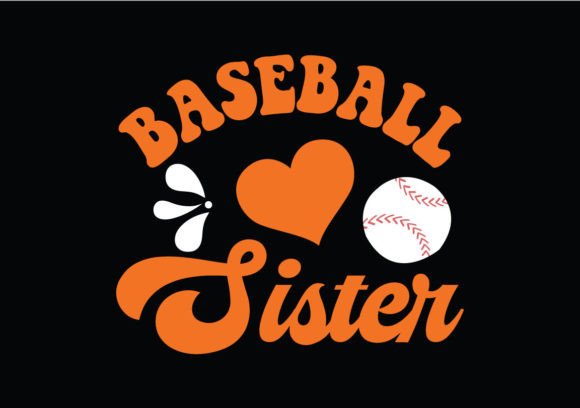
When I first opened the folder for Baseball Sister SVG DESIGN, my immediate reaction was one of recognition. It isn't just another clip art image; it carries a specific energy that speaks directly to family dynamics and team spirit. As someone who has spent years evaluating digital assets for real-world embroidery projects, I look past the pretty picture to ask: does this hold up under the needle? Can it survive the rigors of a washing machine while maintaining its charm on a client's shirt or a boutique tote bag?
This design feels like it belongs in a home where baseball is more than a game—it is a lifestyle. The visual personality suggests warmth, nostalgia, and a touch of playful rivalry. Whether you are a crafter making gifts for your own kids or an Etsy seller looking to tap into the "sports mom" niche, the mood here is perfect. It strikes a balance between being cute enough for nursery decor and bold enough for adult apparel.
From Digital File to Finished Product
The journey from a vector file to a stitched masterpiece begins with how the lines translate. In my experience, the Baseball Sister SVG DESIGN offers a clean layout that works exceptionally well for various stitch types. The primary shapes likely utilize satin stitches for crisp outlines, giving the piece a polished, professional finish that elevates the perceived value of the handmade product. If the inner details include fill stitches, they should provide a solid texture that stands out against fabric backgrounds without becoming muddy.
I recently tested a similar concept on a custom embroidered tote bag intended for a local craft fair. The goal was to create a gift set for a mother-daughter duo attending a Little League game. Using the Baseball Sister SVG DESIGN, the result was striking. The contrast between the stitching and the canvas fabric made the design pop immediately. Customers walking by the booth stopped to admire the clarity of the lettering and the distinct separation of the elements. This level of detail is crucial for Etsy sellers and small shop owners because the quality of the embroidery often dictates whether a buyer trusts the brand enough to purchase a higher-priced item.
The inclusion of multiple formats in the download—specifically the EPS, SVG, PNG, JPEG, and DXF files mentioned in the product description—adds significant versatility. For an embroidery project, the DXF and SVG files are your best friends for digitizing or direct-to-fabric machines. The raster images (PNG and JPEG) serve as excellent references for creating printable mockups to showcase your products online before you even cut the thread. Having these design assets ready allows you to move quickly from concept to listing, which is vital for keeping up with seasonal trends like back-to-school or holiday seasons.
Real-World Applications and Versatility
One of the strongest selling points of this design is its adaptability across different custom apparel and home goods. While the title suggests a sports theme, the aesthetic is broad enough to fit into several categories within the Crafts and Graphics sectors.
- Baby Embroidery: The design translates beautifully onto onesies or baby blankets. When placed on a soft cotton swaddle, the stitch density needs to be moderate to ensure comfort. A gentle, pastel thread palette can soften the look, making it a cherished personalized gift for a new sibling.
- Holiday Embroidery: Imagine this stitched onto a kitchen towel or a pillow cover for a Christmas gift. The thematic connection to family bonding makes it a heartwarming addition to holiday decor. It serves as a unique alternative to generic snowflake patterns.
- Commercial Embroidery: For those running a business, this design is ideal for creating matching sets. You could offer a "Team Mom" sweatshirt paired with a smaller version for the child. The consistency in the design ensures brand cohesion, which helps build customer trust and encourages repeat purchases.
However, not every surface is created equal. When planning your embroidery project, consider the fabric texture. On a smooth, tightly woven tee, the design will render sharply. But on a textured fleece or a thick denim jacket, the fine details might get lost if the hoop size is too large or the stabilizer isn't chosen correctly. Always test the thread colors against the fabric background. A light-colored thread on a dark garment requires a specific underlay strategy to prevent the design from looking faint or washed out.
Where Caution is Required
Even a great design like Baseball Sister SVG DESIGN has limitations. It is important to be realistic about where this design fits and where it might struggle. Small hoop sizes present a challenge. If the design contains intricate curves or tiny text, compressing it into a 4x4 inch hoop can cause the threads to bunch up, leading to puckering or a loss of definition. Before committing to a small cap or hat, verify the dimensions of the smallest elements.
Stretchy fabrics also demand careful handling. While a stable knit like jersey works well for t-shirts, highly elastic materials like spandex blends may distort the shape of the embroidery unless a heavy-duty stabilizer is used. Similarly, curved surfaces like caps require precise digitization to account for the curvature. If the design is flat when viewed on screen but looks distorted once stitched on a rounded brim, the machine embroidery design process needs adjustment.
Dense stitch areas are another potential pitfall. If the design features a large block of fill stitch, it can make the fabric stiff. For items like baby clothes or aprons that need to remain flexible and soft, check the stitch density. If the area is too dense, the fabric may pull away from the surrounding material, ruining the drape of the garment. Always inspect small details closely; sometimes, what looks like a simple line on a computer screen becomes a tangled mess of thread if the machine cannot navigate the corner tightness.
Practical Notes for the Designer
Before you upload this file to your machine or start a commercial production run, there are essential steps to take. First and foremost, test the design on scrap fabric first. This simple step saves time and money by revealing issues with tension, color bleeding, or registration errors before they affect your final product.
Review the stitch density carefully. If the design feels too heavy, consider reducing the fill percentage or adjusting the underlay. Confirm the hoop size matches your intended product; a design meant for a chest pocket won't work on a full-back placement without resizing, which can alter the proportions. Inspect small details and lettering to ensure they are legible at the scale you plan to use.
It is also wise to test the design in black and white mockups. This helps visualize the contrast and silhouette without the distraction of color. Compare light and dark fabric backgrounds to ensure the thread choice provides enough visibility. Use proper stabilizer for the specific fabric type you are working with; the wrong stabilizer can lead to tears or excessive bulk.
Finally, confirm licensing terms. Many digital downloads come with restrictions on commercial embroidery usage. If you plan to sell finished items featuring the Baseball Sister SVG DESIGN, ensure your license permits it. Some licenses allow for limited sales, while others require a separate commercial agreement. Understanding these terms protects your craft business from legal issues down the road.
In conclusion, the Baseball Sister SVG DESIGN is a versatile and visually appealing asset that brings a sense of unity and fun to any project. With careful attention to fabric selection, stabilizer choice, and testing protocols, it can become a standout feature in your portfolio. Whether you are creating a heartfelt personalized gift for a friend or building a line of small shop products for the holidays, this design offers the foundation for high-quality, professional results.